
News

Deepening China-Kazakhstan Vocational Education Cooperation to Build a New Platform for Talent Development—Signing and Inauguration Ceremony of the "Kazakhstan Jia Lu College" Co-established by HWEC and a Kazakhstani Institution Successfully Held
December 22, 2025
Views:
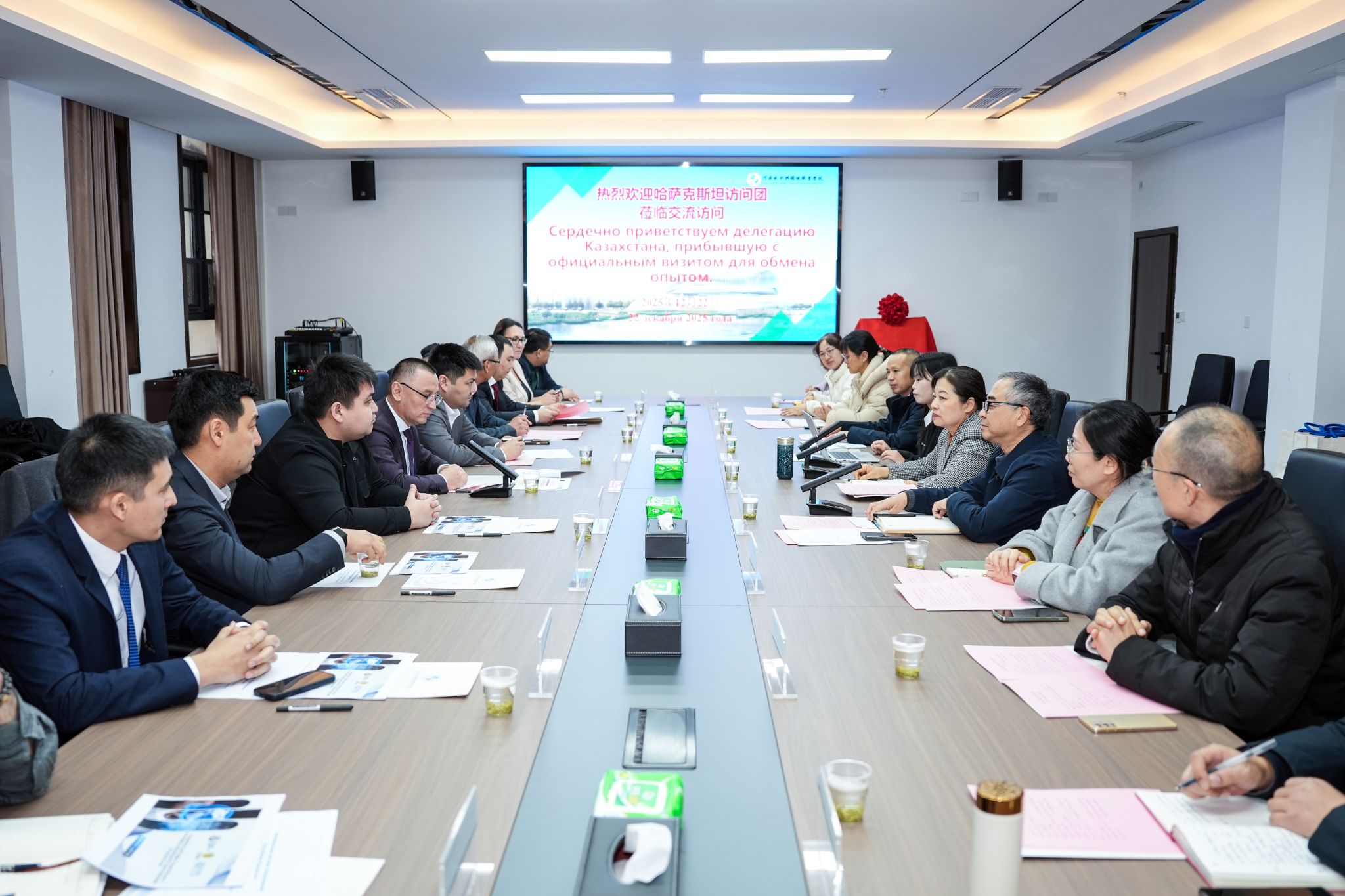
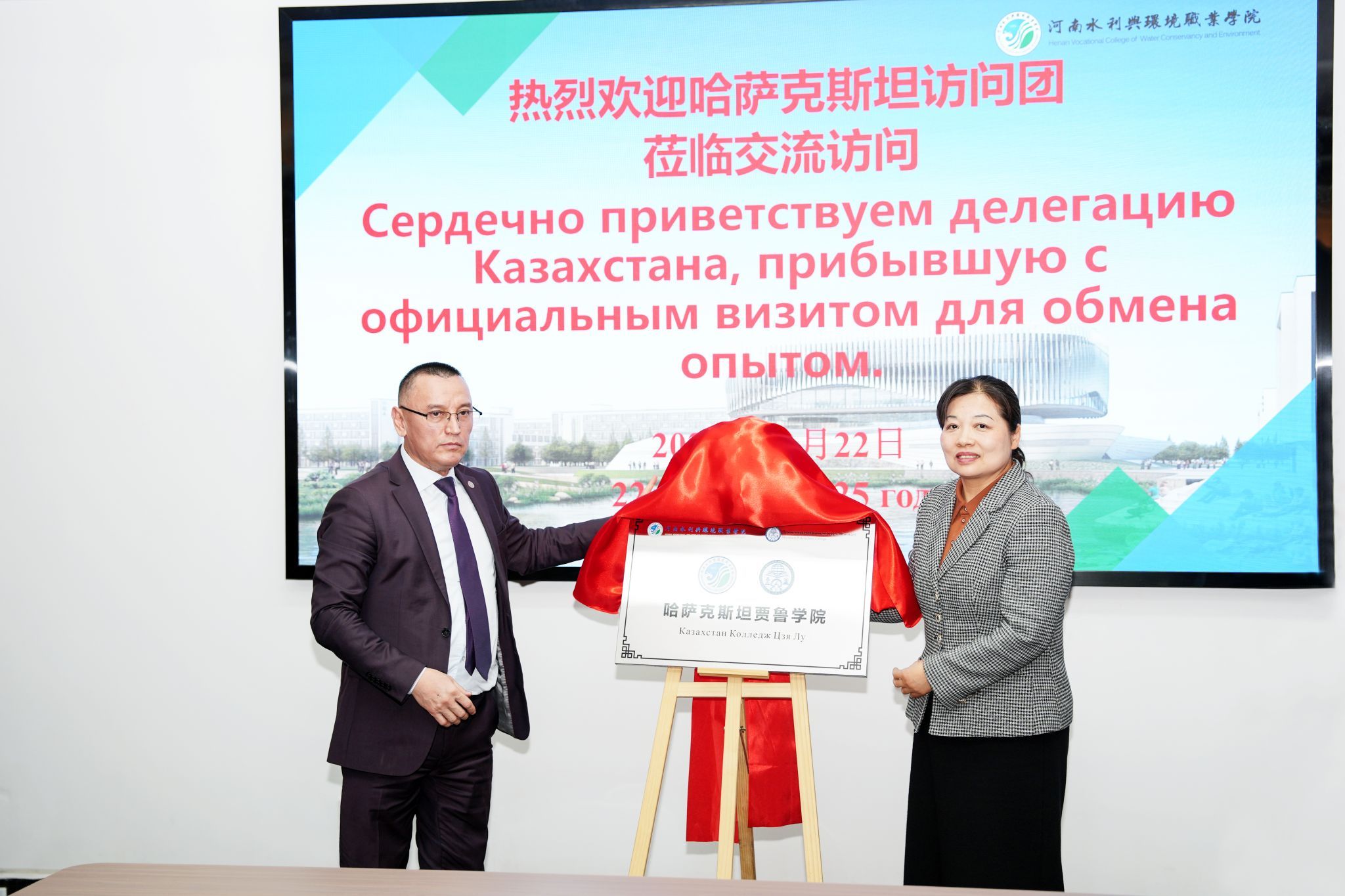
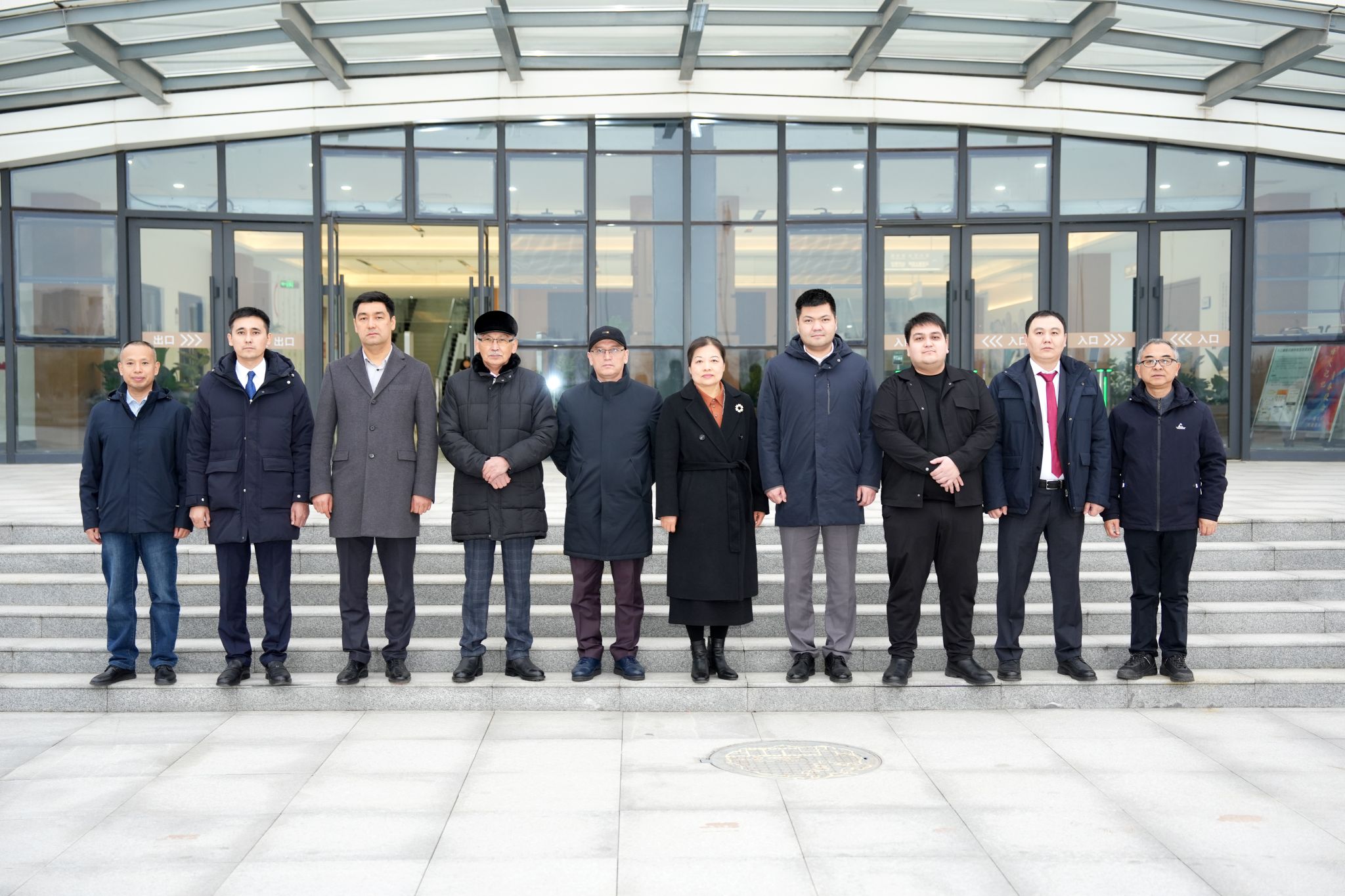
On December 22, a vocational education delegation from Kazakhstan visited Henan Vocational College of Water Conservancy and Environment (HWEC). The two sides held talks on deepening bilateral cooperation in vocational education, signed an educational cooperation agreement, and officially inaugurated the "Kazakhstan Jia Lu College". Li Zhiping, President of HWEC, and Babashov Asan, Vice Rector of Shymkent Polytechnic College, Kazakhstan, attended the ceremony and delivered speeches. The meeting was chaired by Vice President Bao Yonggang.
Prior to the talks, participants watched promotional videos of both institutions, gaining a full picture of their respective educational features, faculty development outcomes, and success in training high-caliber technical and skilled talents.
In her address, President Li Zhiping warmly welcomed the Kazakh delegation on behalf of HWEC. She introduced HWEC's progress and achievements in advancing international collaboration in vocational education, deepening industry-education integration, and strengthening the quality of majors. She noted that HWEC has remained firmly committed to international education, actively integrating into and serving the Belt and Road Initiative (BRI), and positively sharing Chinese vocational education experience and standards globally. She emphasized that HWEC's core majors, such as Internet of Things Application Technology, Artificial Intelligence, Mechatronics, and Modern Logistics Management, align closely with Kazakhstan's demands for industrial upgrading and skilled talents. She expressed hope that the establishment of the "Kazakhstan Jia Lu College" would serve as an opportunity to deepen resource sharing and advance collaborative education with Shymkent Polytechnic College, jointly cultivating high-caliber talents with global vision and professional competence.
Babashov Asan highly commended HWEC's forward-looking vision and pragmatic approach to China-Kazakhstan vocational education cooperation. He stated that Shymkent Polytechnic College has always focused on technology application and talent development, and expressed confidence that "Kazakhstan Jia Lu College" would become a key bridge for vocational education cooperation between the two institutions and even the two countries. He added that this platform would enable substantive collaboration in faculty exchanges, joint curriculum development, and co-construction of training bases, setting a role model for vocational education cooperation and supporting people-to-people exchanges and high-quality industrial development between the two nations.
During the interaction session, both sides explored key topics including innovative models for cooperative education programs, shared development of training resources, and two-way teacher training, and reached multiple consensuses. After the meeting, the Kazakh delegation visited the training facilities of the School of Water Conservancy Engineering, School of Surveying and Geo-informatics, School of Mechanical and Electrical Engineering, School of Information Engineering, and School of Economics and Management. They closely observed advanced teaching equipment and simulation-based training environments, and spoke highly of the HWEC's achievements in industry-education integration, college-enterprise cooperation, and the cultivation of skilled talents.
The successful signing and inauguration ceremony marks a significant breakthrough in our "Vocational Education Going Global" program. It is a key step in proactively responding to the BRI and promoting Chinese vocational education standards abroad. Looking ahead, "Kazakhstan Jia Lu College" will serve as an important platform for deeper China-Kazakhstan cooperation in vocational education, including talent development, skills training, and cultural exchanges, thereby contributing to regional economic and social development and enhancing educational connectivity between the two countries.